Description
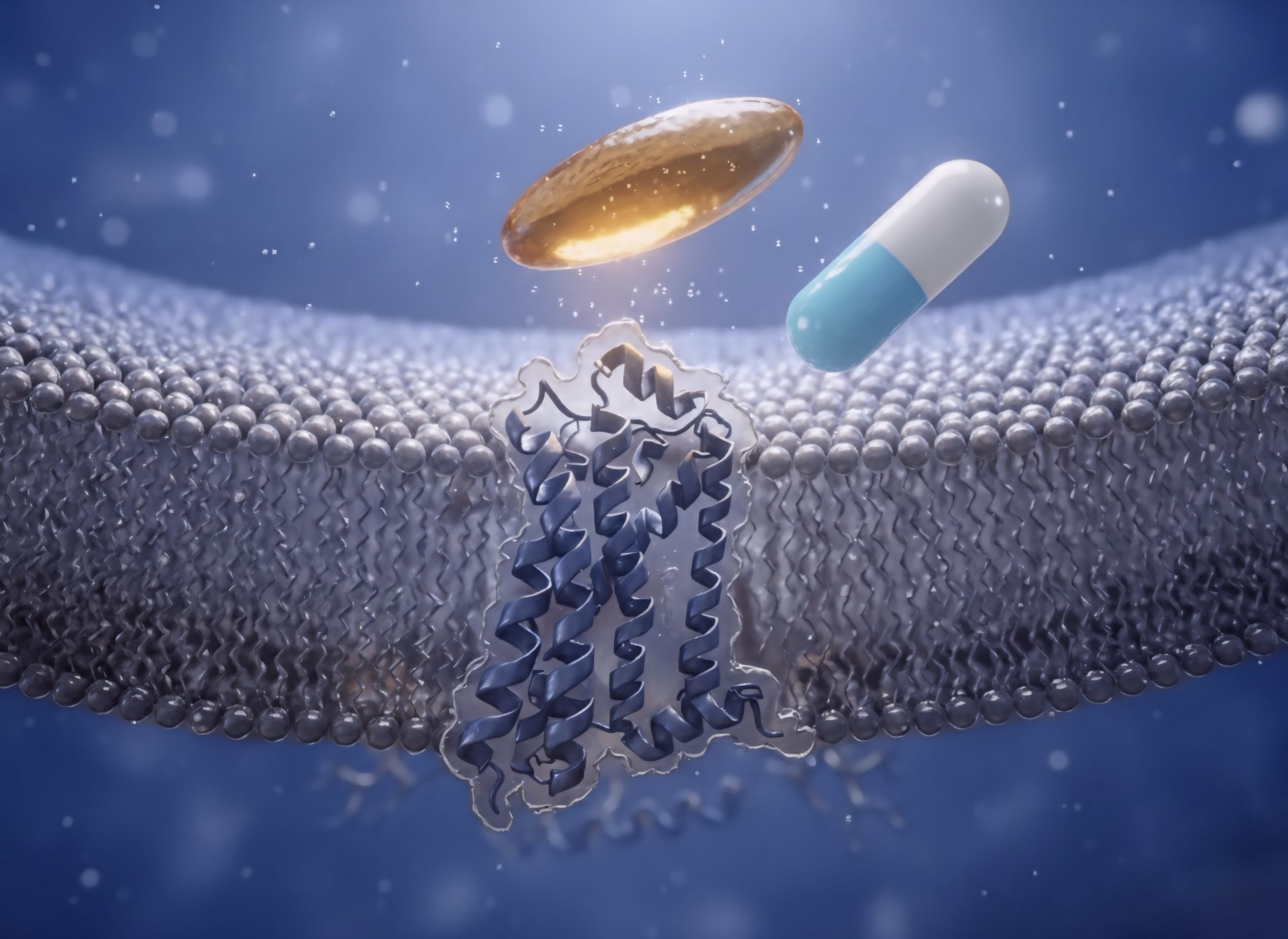
LIP2SIGNAL (From Lipid Environment to GPCR Signaling) is a collaborative research network focused on understanding how the lipid environment of cell membranes influences cell signaling. In particular, the network studies how polyunsaturated fatty acids (PUFAs), key components of biological membranes, regulate the activity of G protein–coupled receptors (GPCRs), with an initial focus on the CB1 cannabinoid receptor.
GPCRs are essential proteins that allow cells to sense and respond to their environment and are the targets of a large proportion of current medicines. However, many treatments still cause undesired side effects. Recent research shows that membrane lipids actively shape how these receptors behave, affecting their structure, signaling pathways, and responses to drugs. By studying GPCRs within their native lipid context, LIP2SIGNAL aims to generate a deeper and more realistic understanding of receptor function.
The network brings together complementary expertise in membrane biophysics, advanced imaging, pharmacology, and mass spectrometry to study receptor–lipid interactions across multiple biological scales. A central goal of LIP2SIGNAL is to promote close collaboration, knowledge exchange, and interdisciplinary training, creating a shared research environment where students and researchers develop both technical excellence and a broad, integrative view of cell signaling.
Coordinators
Dr. Rafael Rodríguez-Puertas
- Principal Researcher
Dr. Isabel Alves
- Principal Researcher
Featured News
International conference on minority languages and multilingualism in European schools held by the LTC Incubator PYRENLANG in Gipuzkoa
Read more